A resident's story: from a late fee to a notice on the mortgage
A freehold home owner asked to see the paperwork behind an estate charge. Within months they faced a debt collector, a section 121 notice and a letter to their mortgage lender. What worked, and what it uncovered.
By HorNet
This is one home owner's experience on a small new-build estate. We have left out names, places, firms and exact figures so the estate can't be identified. It shows how quickly a query about a bill can escalate, what turned it round, and what was found once the documents came out. Every deed is different, so read it alongside our practical page, chased for payment.
The estate
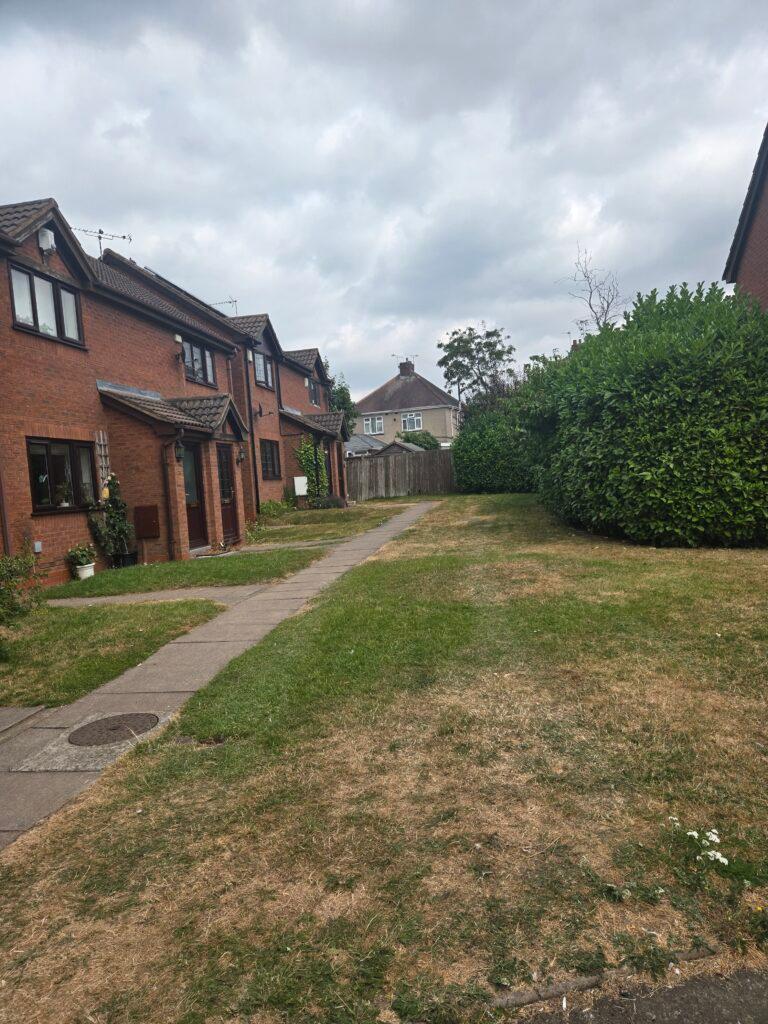
Fewer than ten freehold houses, with a small open space, a private access road and an underground tank that holds back rainwater (a sustainable drainage system, or SuDS). Each home paid a yearly estate charge through a national managing agent.
What happened
- A simple request. The owner asked for the documents behind that year's charge.
- Months of delay. Replies were slow or never came. Complaint deadlines were missed, stage 2 was never answered, and more than once the complaint was sent back to stage 1.
- A "final notice". Hours after the owner escalated to stage 2, a final notice arrived with a late fee, threatening "forfeiture of your lease". The home is freehold: there is no lease. A "case preparation" fee followed.
- The ombudsman, then a debt collector. The day after the ombudsman acknowledged the owner's complaint, the account was passed to a debt collection company.
- A notice on the mortgage. The collector served a notice under section 121 of the Law of Property Act 1925 and wrote to the mortgage lender asking it to pay. It added its own fees: an instruction fee, a referral fee, a "Land Registry fee" several times HM Land Registry's real fee, and interest at a rate that isn't in the deed, charged on the fees too. The total was several times the original charge, and the figures changed from one letter to the next.
- The deed said otherwise. The owner's transfer deed expressly excluded section 121. The collector had obtained a copy of that deed on the same day it served the notice.
What worked
- Paying the undisputed charge under protest. The owner paid the original charge, in writing, said exactly which invoice the payment was for, and disputed the rest.
- Phoning, then writing to, the lender. The lender accepted that the sum was in dispute, told the collector, and refused to pay for now. Its conditions: keep it updated, and it might pay if a court or tribunal ordered it.
- Pointing to the deed's own words. The section 121 exclusion. A costs clause that only covered the costs of the management company "or its solicitors": a debt collection company is neither. And the interest rate the deed actually allows.
- Getting the documents behind the estate. Fresh title registers for the home and for the estate land (a few pounds each from HM Land Registry), the section 106 agreement, the approved SuDS management plan and the landscape masterplan.
- Using every route. A complaint to the council's planning enforcement team, which opened an investigation within a day. A complaint to the ombudsman about the agent's conduct. A report about the debt collector's practices to Trading Standards, through the Citizens Advice consumer service.
Within weeks the section 121 fee and the "Land Registry fee" were dropped "as a gesture of goodwill". The developer later accepted in writing that relying on section 121 was wrong. The agent's own ledger was cut back to two fees, and the lender confirmed nothing was outstanding. Not everything was won: two fees stayed on the account.
What it uncovered
- There was no separate management company. The deed defined "Management Company" as the developer "or such management company appointed", and none ever was. The restriction on the title named the owner of the estate land, not a company, and the audited accounts said the agent acted as managing agent for the developer. So the owner's contract was with the developer. The agent was only its agent.
- A promise in three documents, never kept. The deed, the section 106 agreement and the approved SuDS plan all said a management company would be set up.
- The open space was never handed over. The section 106 agreement required the open space to be transferred within two months of the council signing it off: either to the council with a one-off payment for its upkeep (a commuted sum), or to a management company set up mainly to maintain it. Five years on, neither had happened. The developer still owned the land and charged residents for it through the agent.
- Drainage paid for but not done. The accounts showed a drainage maintenance budget every year with little or nothing spent, while the approved SuDS plan required yearly inspections. The agent later admitted the maintenance hadn't been done and no inspection reports existed. Unspent money came back as year-end credits, so this was not money going missing. The problem is that the work wasn't done, and not following an approved drainage plan can be a breach of a planning condition, which the council can enforce.
- Other lines that didn't add up. Insurance budgeted well above the premium on the insurance schedule. Gardening costs rising every year despite a written admission that the work was below standard, with no sign of re-tendering. Replacing dead trees and planting in the first five years was the developer's job under a planning condition, not a cost for residents.
- Money not held as the deed required. The deed required the reserve fund to be held in a separate trust account. It was in the agent's pooled client account.
- The wrong law. The accounts quoted leasehold statutes that don't apply to freehold homes: a sign of a leasehold template used without reading the deed.
- Not the first time. A neighbour had met the same "stage 2 ignored" pattern years earlier. One resident is a grievance. Two or three, with documents, is a pattern.
What you can take from it
- Read your deed before you reply to anything: who you contract with, what fees and interest it allows, and whether it excludes section 121.
- Pay what you don't dispute, say exactly what it is for, and dispute the rest in writing.
- Tell your lender early, and keep it updated.
- Get the planning documents. They can show what was promised for your estate and never delivered.
- Talk to your neighbours. Patterns carry weight.
Read next:
- Chased for payment: late fees, debt collectors and section 121 notices
- Our guides, including reading your TP1 and who's who on your estate
- Letter templates: pay under protest, dispute a debt collector's fees, tell your lender, ask the council to investigate
- Take action with HorNet
This is one estate and one deed. Yours may say something different, so get advice on your own situation before you act. It isn't legal advice.
Found this useful? Share it.
Every share reaches another estate.
Comments
No comments yet. Start the conversation: what is happening on your estate?